
Flooding
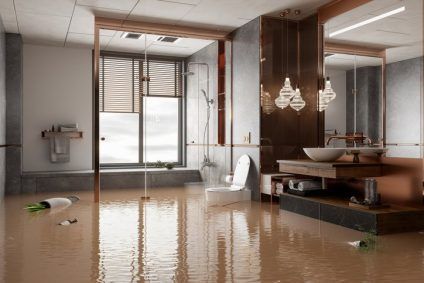
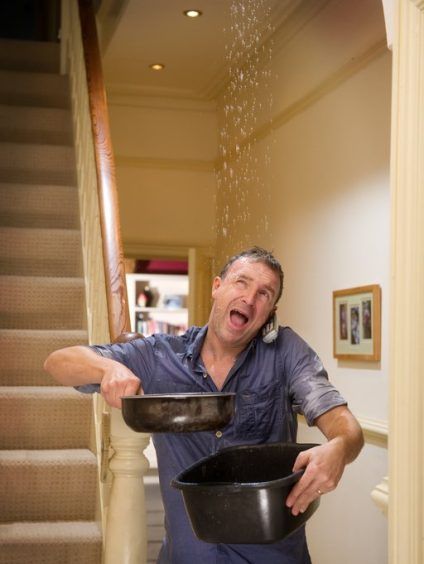
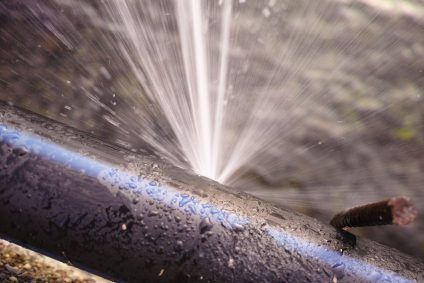
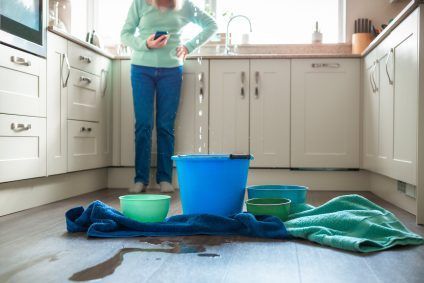
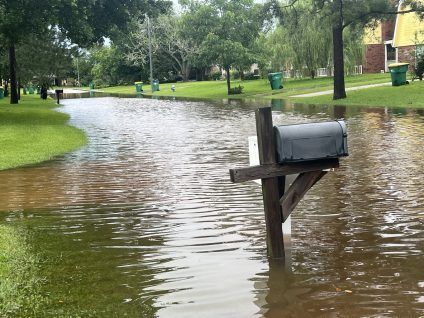
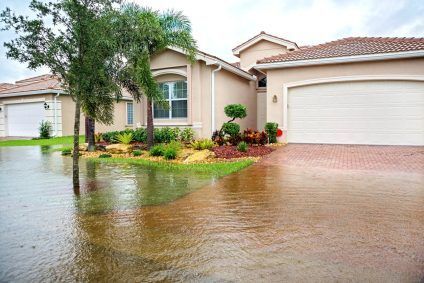
is one of the most stressful experiences a homeowner can face. Once the water recedes, you’re left with soaked floors, damaged furniture, and the overwhelming question of where to start. In moments like these, it’s easy to rely on advice from friends, social media, or quick internet searches, but not everything you hear about flood damage cleanup is true. Believing a few common myths can make the problem worse and cost you more in the long run. Here are some of the biggest misconceptions about flood damage cleanup and what you really need to know.
Myth 1: “It’ll Dry on Its Own”
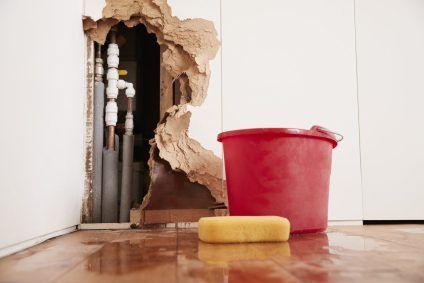
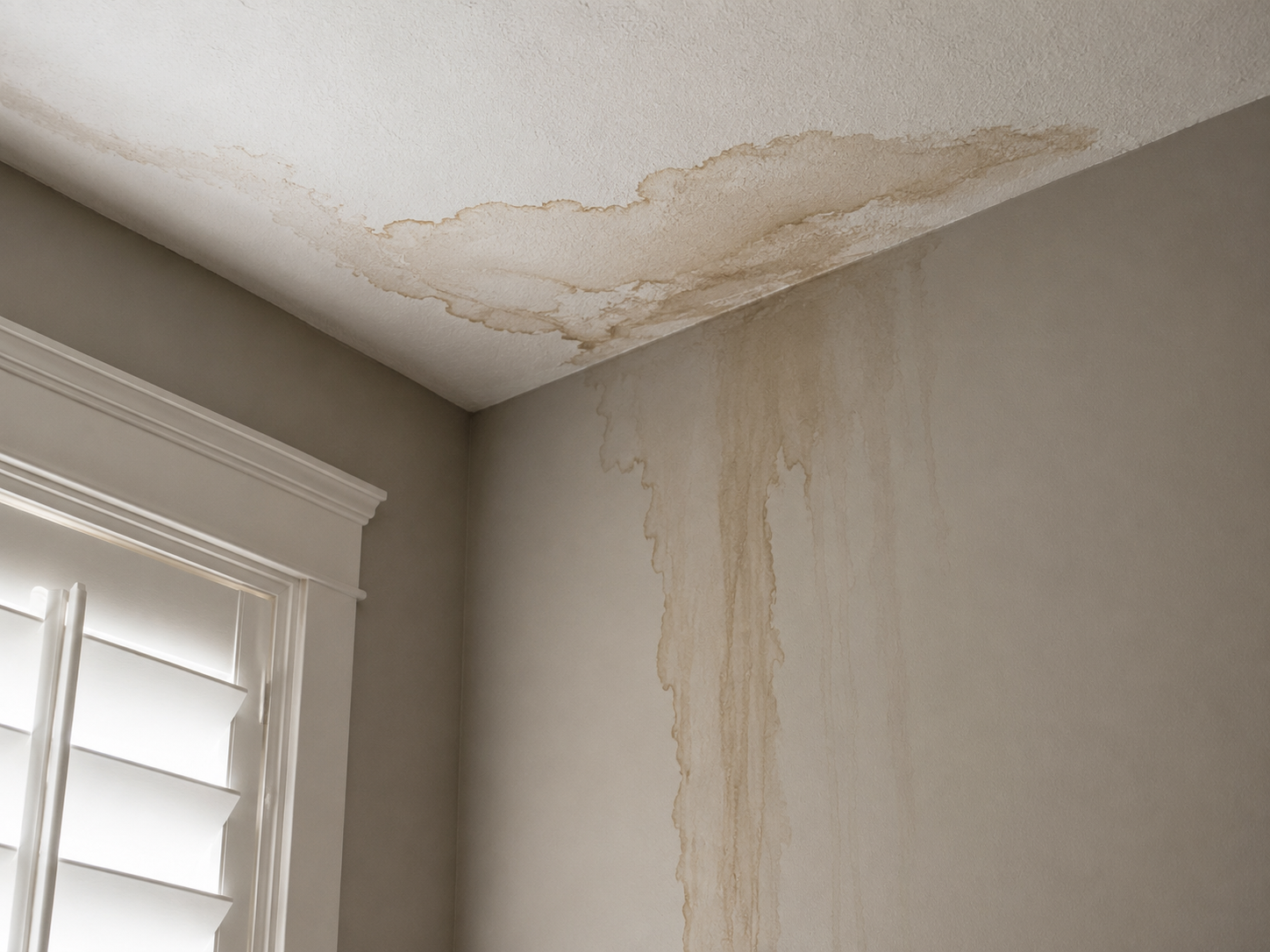
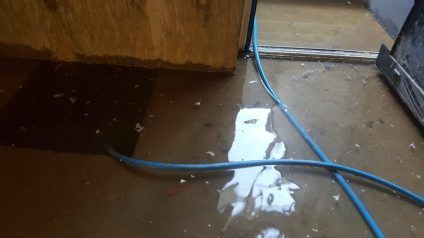
Many homeowners think that once the water is gone, the worst is over. Unfortunately, water doesn’t just sit on the surface; it seeps into floors, walls, and furniture. Even if things look dry, moisture can still be trapped deep inside materials. That hidden water leads to mold growth, wood rot, and structural problems later.
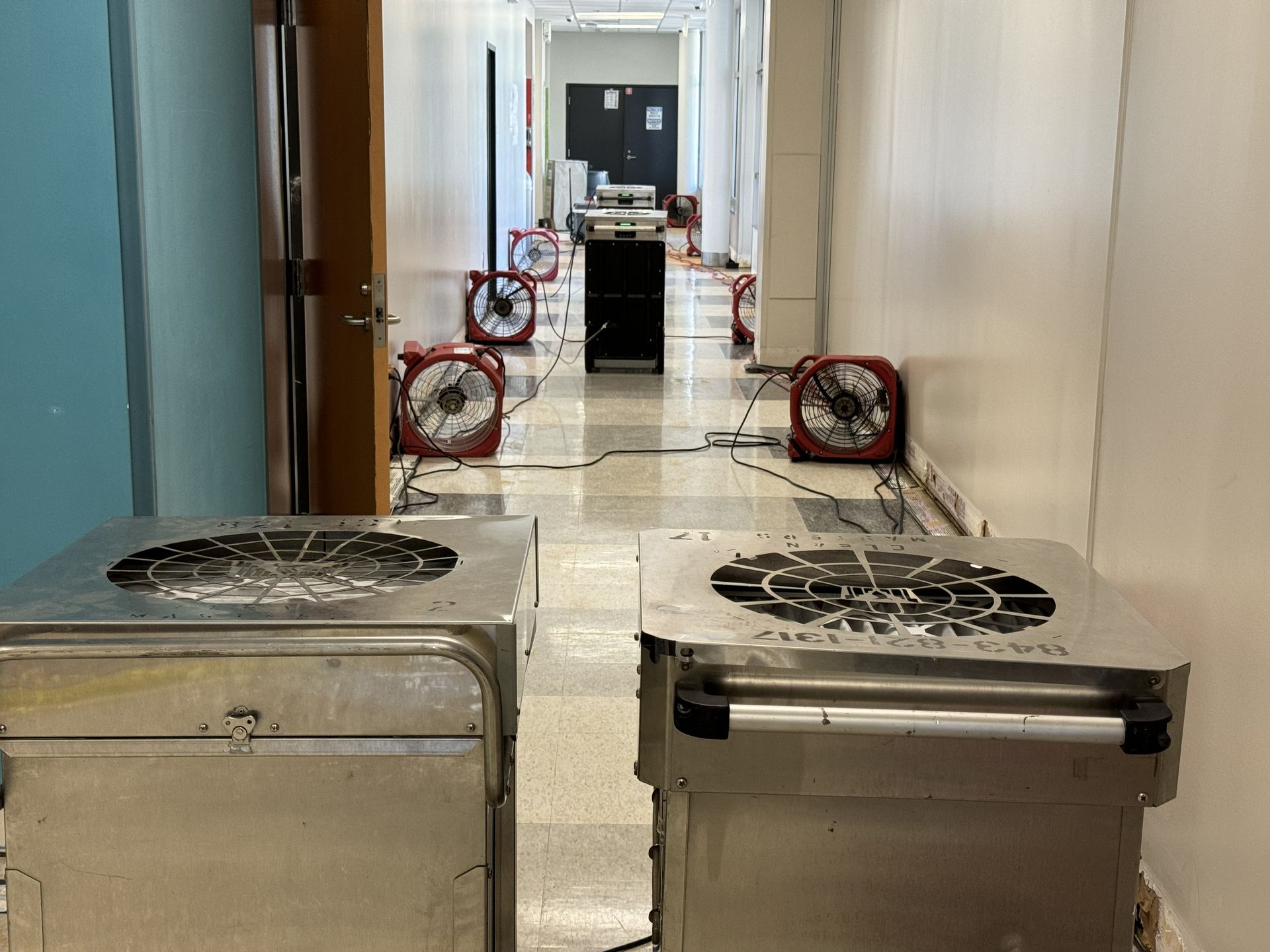
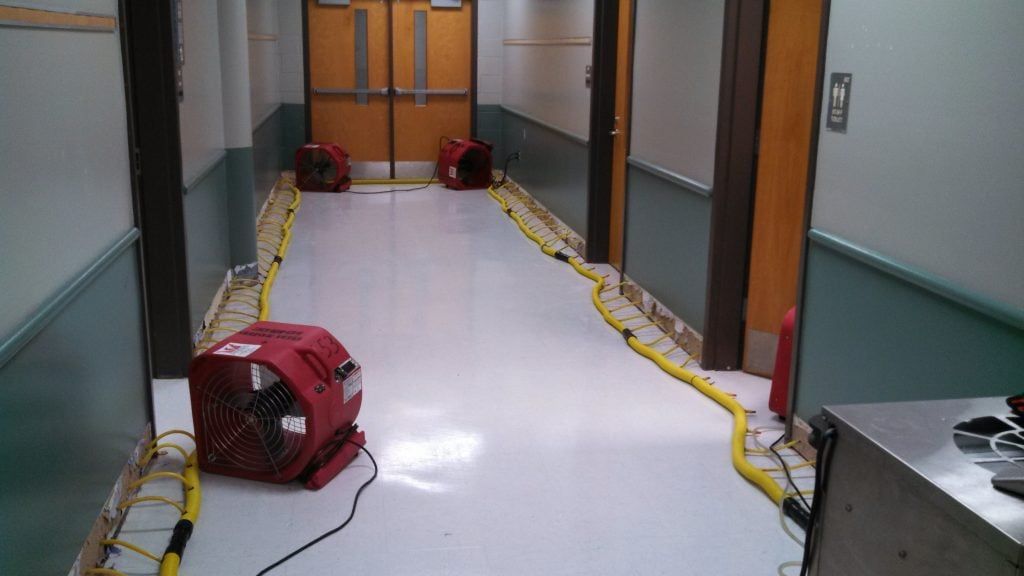
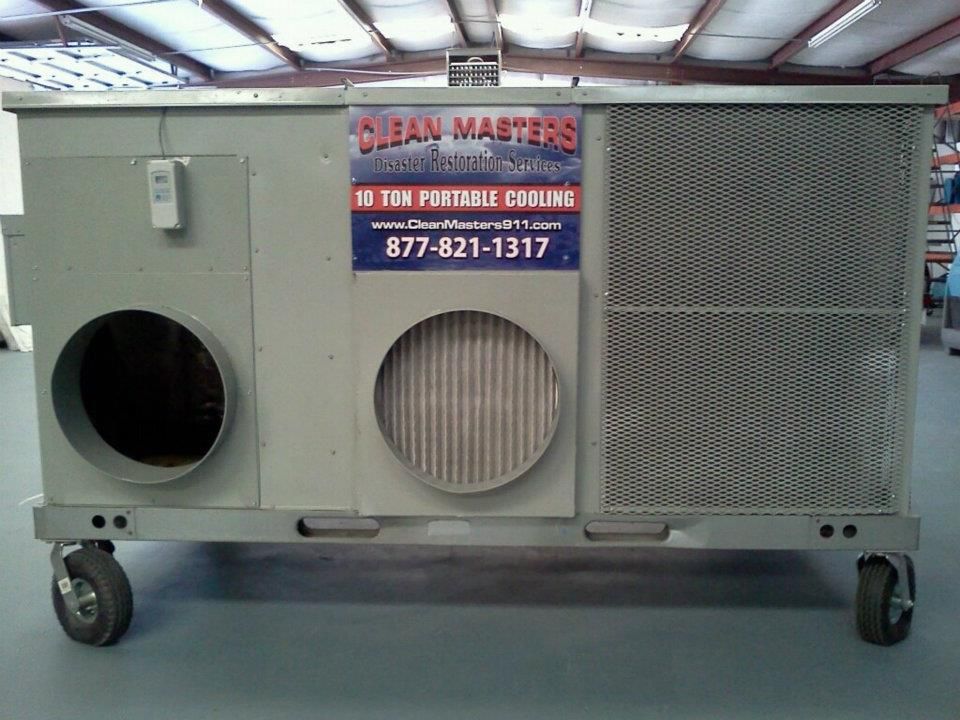
Professional flood damage cleanup teams use industrial dehumidifiers and moisture meters to ensure everything is fully dried. Without that equipment, it’s nearly impossible to know when your home is truly moisture-free.
Myth 2: “Mold Takes Weeks to Grow”
It’s a common misconception that mold takes a long time to appear after a flood. In reality, mold can begin forming within 24 to 48 hours. Once it starts, it spreads quickly, especially in warm, humid conditions. Acting fast with professional flood damage cleanup helps remove moisture before mold takes hold. Restoration experts also apply antimicrobial treatments to keep spores from growing in damp areas.
Myth 3: “Bleach Kills All Mold and Bacteria”
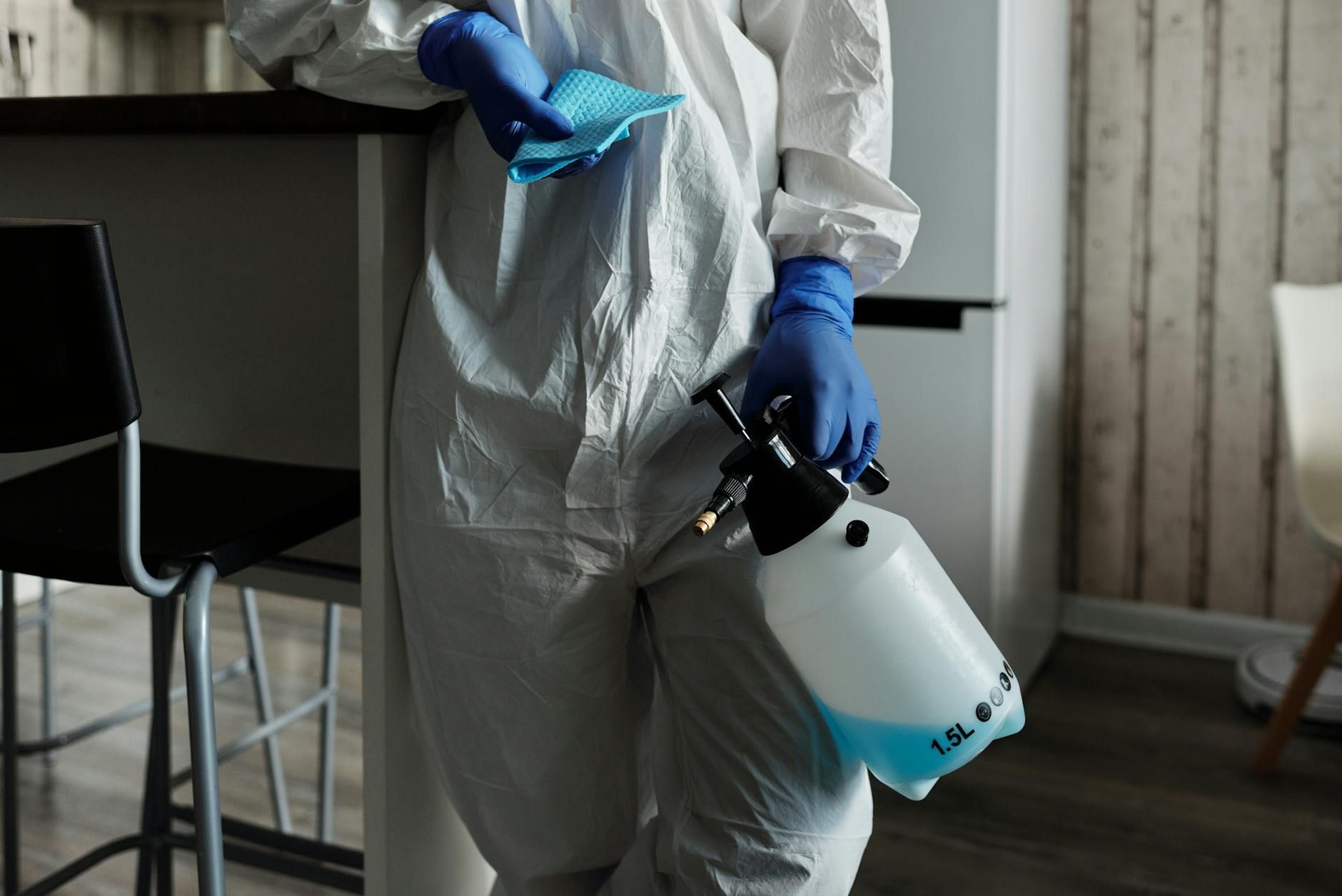
Bleach might seem like a cure-all cleaner, but it’s not enough for flood damage. While it can remove stains and surface mold, it doesn’t penetrate porous materials like drywall or wood. Worse, using bleach on floodwater contamination can create harmful fumes and doesn’t actually sanitize the area completely. Professional cleaning products used during flood damage cleanup are designed for deep sanitization. They eliminate bacteria safely and effectively without damaging your home.
Myth 4: “Any Water Cleanup Company Will Do”
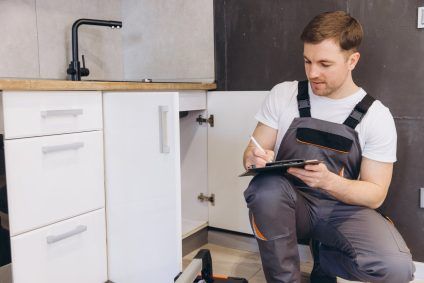
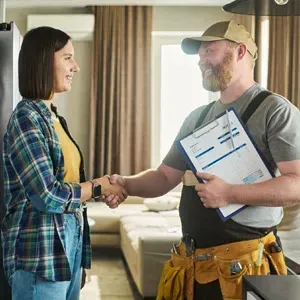
Not all restoration companies are the same. Flood damage cleanup requires specific equipment, certifications, and training to deal with contaminated water safely. Water from storms or sewage backups carries bacteria and chemicals that can make you sick. When choosing a company, look for certified professionals experienced in flood restoration, not just basic water extraction. They’ll follow safety standards, document the damage properly, and help with insurance claims if needed.
Myth 5: “It’s Cheaper to DIY”
Trying to handle flood damage cleanup yourself might seem like a good way to save money, but it often leads to bigger expenses later. Without professional drying and cleaning, mold, odor, and structural problems can surface weeks or months down the line. By that point, repairs are far more costly than calling experts from the start. Professionals don’t just remove water; they restore your home to safe, livable conditions. The value of their work comes from preventing future damage and health risks.
Myth 6: “Once It’s Dry, You’re in the Clear”
Even after drying, flood-damaged homes can face lingering issues. Materials weakened by water may lose their strength, and hidden pockets of moisture can keep spreading damage over time. A full flood damage cleanup includes inspection, disinfection, deodorizing, and repairs to make sure your home truly recovers.
Flood Damage Cleanup – North Charleston
Flood damage cleanup isn’t just about drying things out; it’s about protecting your home, your health, and your peace of mind. Acting fast and trusting experienced professionals helps you avoid costly mistakes and long-term problems. When disaster strikes, Clean Masters is here to provide thorough, reliable flood damage cleanup.