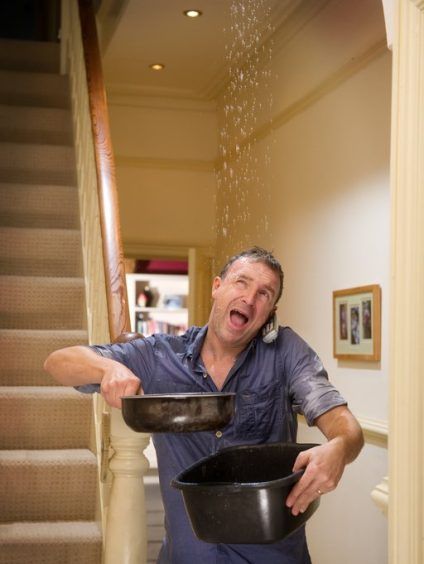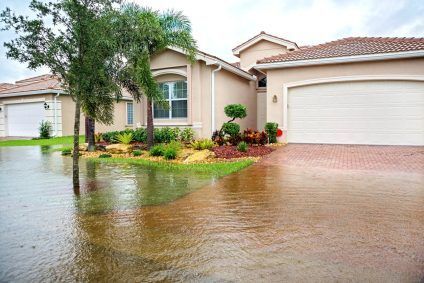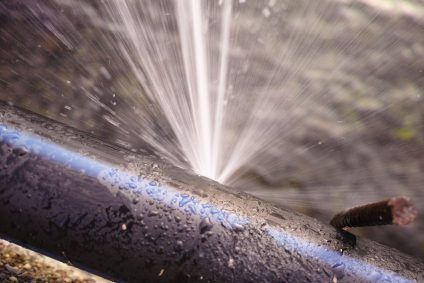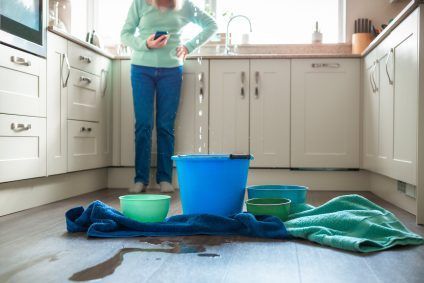

Water damage can be a serious problem for your North Charleston home, leading to structural problems, mold growth, and costly repairs. These side effects of water damage
will be even worse the longer the water damage is present – which can be especially problematic if you have water damage that goes unnoticed. To help you find water damage faster, we are going to go through some of the most common signs of water damage to look for in your home.
North Charleston Water Damage
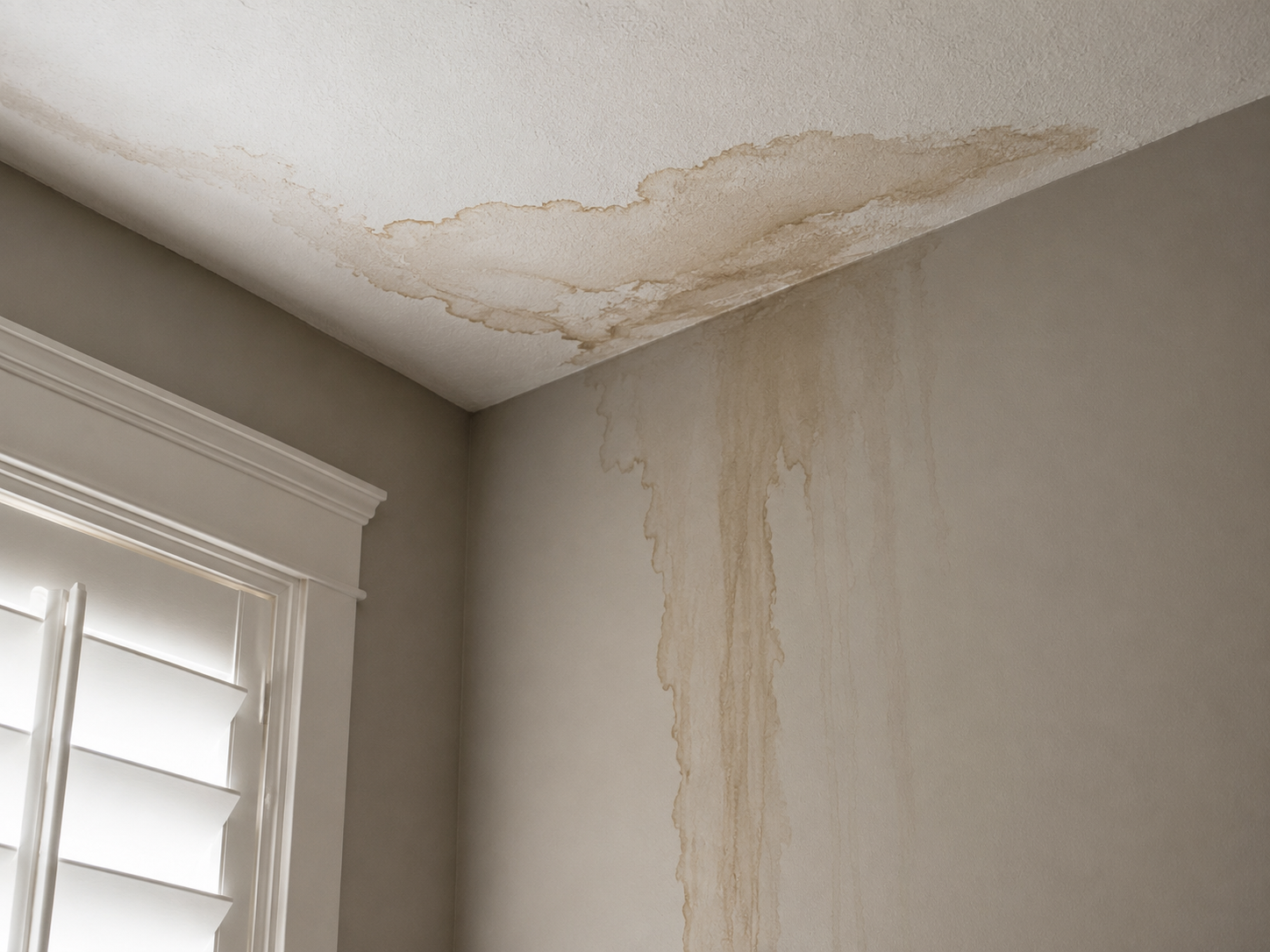
Stains and Discoloration
- Where to look: Ceilings and walls
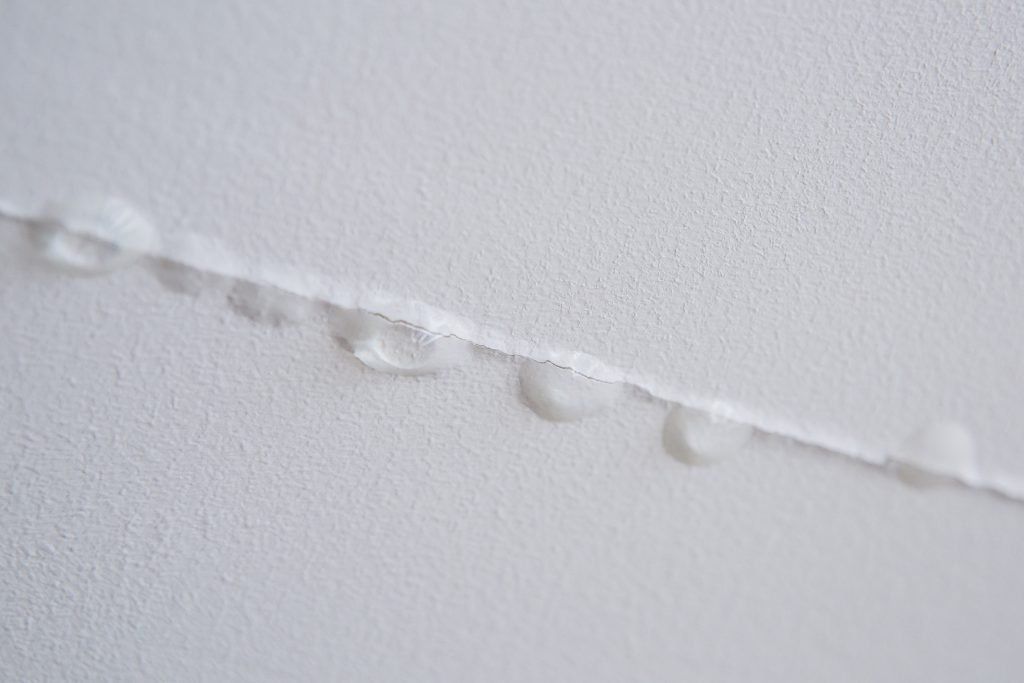
- What to look for: Look for brown, yellow, or copper-colored stains, especially on ceilings or around windows and doors. Water damage seeping through drywall will often leave spots and stains.
- Floors: Discolored spots or soft spots on hardwood, tile, or stains on carpeted floors are common signs of water damage that is leaking onto and spreading across the floors.
Peeling or Bubbling Paint/Wallpaper
- Where to look: Walls
- What to look for: Water damage can cause paint to peel or bubble and wallpaper to lose its adhesion, indicating a build-up of moisture behind the surface.
Musty Odors
- Where to look: Rooms, basements, and attics
- What to look for: Persistent musty smells (like the smell of dirty dish rags or laundry that has sat too long in the washer) often indicate the presence of mold or mildew, which thrive in damp environments that go hand-in-hand with water damage.
Mold Growth
- Where to look: Corners, walls, and ceilings
- What to look for: Visible mold, which can appear as black, green, or white spots, is a clear sign of water damage.
Sagging Ceilings or Walls
- Where to look: Bulges or cracks on walls or ceilings
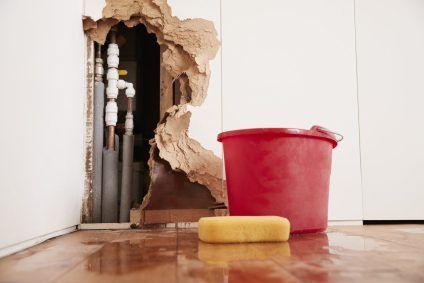
- What to look for: When water builds up behind walls or above the ceiling, it can cause the structural materials to sag, bulge, or even crack. The weight of the water threatens the structural integrity of your home and can result in severe water damage.
Increased Humidity or Dampness
- Where to look: Rooms and windows
- What to look for: Unexplained dampness or moisture in a room, especially in basements or crawl spaces, can be a sign of hidden leaks or poor ventilation. If you notice moisture build-up on windows, that can also indicate increased humidity in your home, which needs to be evaluated to rule out water damage as the cause.
Warped or Buckling Floors
- Where to look: Hardwood or laminate
- What to look for: Wood flooring that appears to lift, warp, or buckle indicates water damage underneath the floorboards. Laminate flooring may start to lift away from the subfloor or feel soft when walking in certain areas if water damage is present.
Rust or Corrosion
- Where to look: Pipes and fixtures
- What to look for: Check exposed metal pipes, plumbing fixtures, and appliances for rust or corrosion, which can indicate a leak.
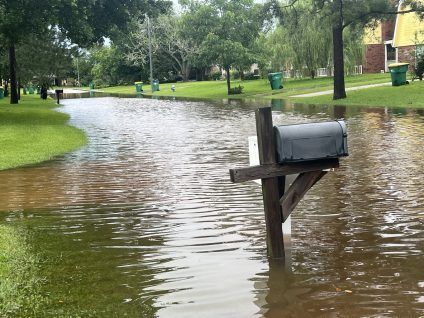
Water Pooling or Puddles
- Where to look: Around the house
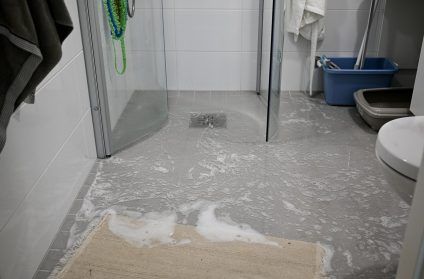
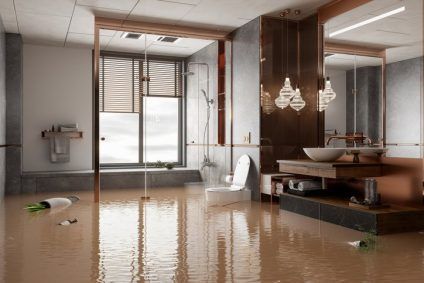
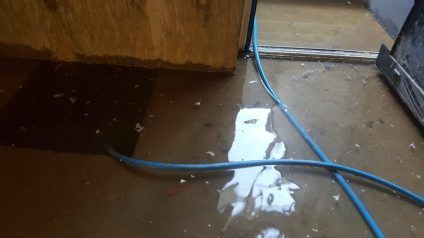
- What to look for: Unexplained water spots or puddles, especially in basements, bathrooms, or near appliances like washing machines and dishwashers.
Unexplained Increase in Water Bills
- Where to look: Plumbing
- What to look for: A sudden spike in your water bill could indicate a hidden leak somewhere in the plumbing in your home, resulting in water damage.
Cracked or Damaged Caulk or Sealant
- Where to look: Windows and Doors and in Bathrooms
- What to look for: Damaged caulk or sealant around windows, doors, and fixtures like bathtubs, sinks, and toilets can allow water to seep in and cause water damage around surrounding materials.
Sounds of Running Water
- Where to look: Behind Walls or Floors
- What to look for: Listen to see if you hear water running when no faucets or appliances are in use, as that could indicate a leak behind the walls or under the floors.
If you notice any of these signs in your home, it is crucial to call the water damage company you can trust. Our experts at Clean Masters are ready to help right away so we can address the issue quickly and prevent any further damage from occurring. Don’t hesitate to give us a call today!